
A Summer Review of 2025 Legislative Session
We’re back with the third post in our blog series created in partnership with Associated Skin Care Professionals (ASCP)—the nation’s leading organization dedicated to supporting licensed estheticians and students.
In this update, ASCP shares a behind-the-scenes look at the 2025 legislative season and what it means for the future of esthetics. From expanded scope of practice to new licensing opportunities (and a few setbacks), this roundup helps you stay informed, empowered, and ready to advocate for your career.

As the hustle and bustle of the 2025 legislative season winds down, let’s round up the esthetics trends that heated up legislatures.
State legislatures have adjourned in over 50 percent of the country. Some bills filed this year have been signed by governors, some are waiting to be signed into law, and some never made it past the finish line. The ASCP Government Relations team noted clear trends in esthetics, which is a great way to better predict and prepare for next year’s legislative session. For skin care professionals, it’s beneficial to learn what’s happening in other states and to see what changes may impact your profession. Policymakers are often influenced by proposed or pending laws. So while it’s important to know the lay of the land in your backyard, it’s also helpful to be aware of what’s going on beyond your state’s borders.
Let’s dive in and see what similarities popped up across the country and impacted esthetics so far in 2025.
Scope of Practice: Big Moves Across (Some) States
We’re seeing more states stepping up to help estheticians do what they were trained to do. And they deserve it, right?
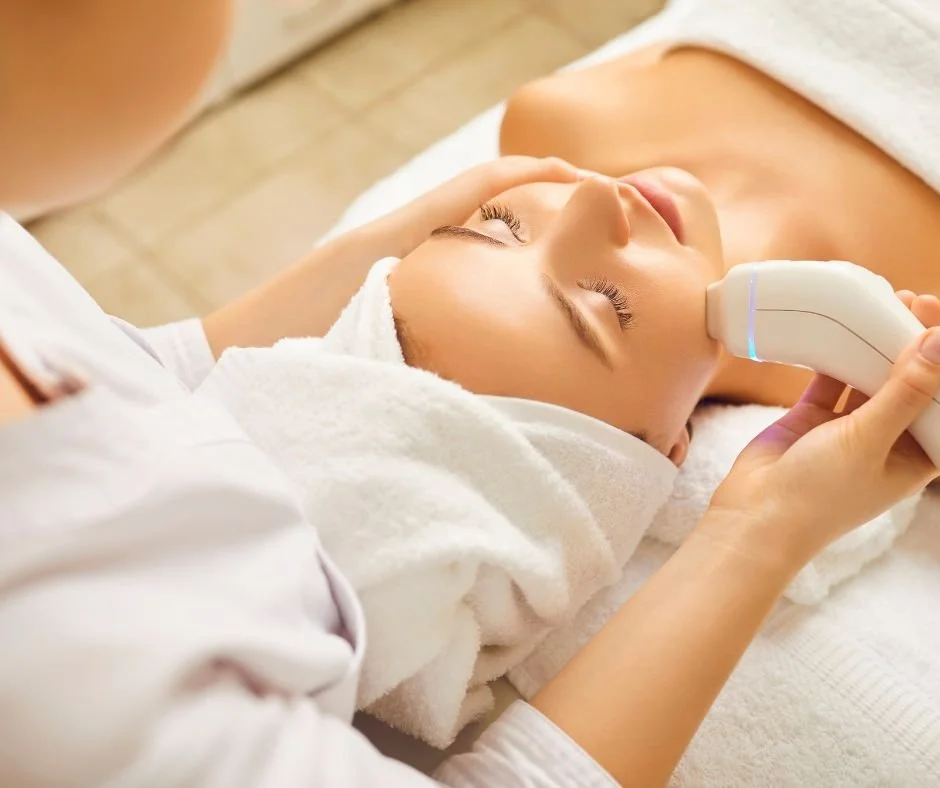
Across the country, lawmakers are waking up to the reality that skin care pros need access to the latest tools and permission to perform popular techniques. When scope of practice expands, clients benefit, professionals thrive, and the industry gets the glow-up it deserves. Here’s a look at the 2025 lineup of bills that positively impacted esthetics.
Illinois introduced a bill that would amend the definitions of “cosmetology” and “esthetics,” allowing the use of hydrodermabrasion devices (think Hydrafacial). The bill would also recognize dermaplaning as an esthetics service.
Maryland made it official! Eyelash extensions are now part of the esthetics and cosmetology scope of practice. It may feel a bit overdue, but legislation can sometimes be slow to keep up with the fast pace of the beauty industry.
New York introduced a bill that would allow estheticians and cosmetologists to practice microneedling upon completing a specialized, 40-hour microneedling course. The bill would make high-tech skin rejuvenation more accessible and regulated.
North Dakota didn’t just dabble, it went all in this year! A bill was signed into law that creates an advanced esthetician license, permitting advanced chem peels, microneedling, and extractions using lancets. Advanced estheticians in the state can perform nonablative procedures (like laser-, light-, and energy-based skin rejuvenation), perform body-contouring services, reduce cellulite, and remove tattoos. Plus, this bill broadens the esthetics scope to include dermaplaning, cosmetic peels, microdermabrasion, and high-frequency devices. We’re calling this one a major industry win.
South Carolina introduced a bill aimed to create an advanced esthetician license to allow higher-tiered professionals to perform high-frequency, microcurrent, and galvanic services, in addition to microneedling, dermaplaning, and chemical peels.
As esthetics technologies and modalities evolve, it’s vital that state laws and rules keep up. Updating scope isn’t just bureaucratic, it’s transformative for passionate estheticians who want to offer top-tier care and services. We will continue to advocate for skin care pros across the country so they may grow their business and feel empowered to work their magic.
Peddling Backward
Despite ASCP’s valiant efforts to fight an egregious bill, Utah took a step backward this year in their esthetics practice act. The state deregulated some of the industry, creating apprenticeship “mini-licenses” and reducing education requirements for estheticians. Previously, the minimum number of education hours required to earn an esthetics license was 600 hours, but the new law will require a paltry 200 hours (obtained in a school program or through an apprenticeship).
ASCP believes in making sure estheticians all have access to a well-rounded education and are not undercut by people who have not put in the same work as everyone else for their license. We will continue to work with the Utah legislature to remedy the issues caused during this session.

Saving Regulation
The Oklahoma Board of Cosmetology and Barbering has been embattled this year. After a bill was signed by the governor to dissolve the board, a compromise was reached to give stakeholders one more year to figure out where to house the many professions regulated by this board. ASCP is working with industry partners to ensure esthetics remains regulated.
Although state legislatures are adjourning across the country, there is a possibility that more bills will be introduced and signed into law. Rest assured, your GR team will continue to fight judiciously against bills that seek to devalue and deregulate cosmetology and advocate for laws that will propel your profession to the next level. Whether that means safeguarding educational standards, preventing new and burdensome regulations, or broadening scope of practice, we are here to inform lawmakers on how to enhance your careers and businesses.