The Eczema Puzzle: Is Histamine the Missing Piece for Skin Health?

At Pomp, we believe that transformative skincare starts with education and science-backed solutions. That’s why we’re thrilled to share insights from Benjamin Knight Fuchs, R.Ph.—a registered pharmacist, nutritionist, and skincare formulator with over 35 years of experience developing high-performance products for estheticians, dermatologists, and discerning clients alike.
As the founder of Truth Treatment Systems™, Ben takes a uniquely biochemical approach to skin health, formulating topical treatments that support the skin at the cellular—not just surface—level. In this expert blog post, he explores the relationship between eczema and histamine, offering a deeper understanding of how meaningful skin change happens from within.

As estheticians, you're on the front lines of skin health, dealing with a myriad of concerns every day. One of the most common and challenging conditions you likely encounter is eczema, also known as atopic dermatitis. It's that persistent itch, the redness, the dry, flaky patches that can impact your clients' confidence and quality of life. You've probably explored countless approaches to soothe and manage eczema, from gentle cleansers and hydrating moisturizers to barrier-repairing serums. But have you ever considered the role of a tiny, often overlooked chemical called histamine?
This article delves into the complex world of eczema, aiming to shed light on the potential role histamine plays in its development and progression. We'll break down the science in an accessible way, exploring the latest research and how this information might influence your approach to skincare. Think of it as a journey into the intricate workings of the skin, with histamine as our guide.
Eczema: More Than Just Dry Skin
You know eczema isn't simply a case of dry skin. It's a chronic inflammatory condition that affects millions, both adults and children. Imagine the skin as a protective wall. In people with eczema, that wall has cracks and weaknesses. These vulnerabilities allow irritants, allergens, and microbes to penetrate more easily, triggering an immune response that leads to inflammation, itching, and the characteristic symptoms of eczema.
For years, the focus has been on tamping down that inflammatory response, often with topical corticosteroids and other immunosuppressant medications. While these treatments can be effective in managing flare-ups, they don't always address the underlying issue. And for some, long-term reliance on these medications can come with unwanted side effects.

The Skin Barrier: Our First Line of Defense
So, what exactly is causing those "cracks" in the skin wall? Scientists believe that a compromised skin barrier is a key factor. Think of the skin barrier as a complex structure, built from skin cells connected by mortar-like substances. The top layer, the stratum corneum, is especially important. It's composed of dead skin cells held together by lipids (fats) like ceramides and fatty acids. In eczema, this structure is often disrupted.
The "mortar" between skin cells isn't as strong as it should be, allowing moisture to escape and irritants to enter. This can be due to genetics, meaning some people are simply born with a weaker barrier. But it can also be caused by environmental factors, like harsh soaps, dry air, or even certain foods.
Also within the epidermis lie structures called "tight junctions" which act as gate keepers, controlling what passes through the skin's layers. In eczema, these gates aren't working correctly, making it easier for irritants and allergens to get in.
Enter Histamine: The Itch Instigator
Now, let's introduce our main player: histamine. You probably associate histamine with allergic reactions, which is true. It's released by cells called mast cells in response to allergens and triggers those familiar symptoms: sneezing, runny nose, itchy eyes. But histamine also plays a significant role in the skin.
In eczema, histamine is released in the skin, contributing to the intense itching that's so characteristic of the condition. But recent research suggests that histamine's role goes beyond just triggering the itch. It may also be actively involved in weakening the skin barrier.
How Histamine Weakens the Wall
Here's where the science gets interesting. Histamine doesn't just float around aimlessly. It exerts its effects by binding to specific receptors on cells, like a key fitting into a lock. There are four types of histamine receptors, labeled H1, H2, H3, and H4.
Research has shown that histamine, acting through these receptors, can:
Disrupt skin cell development: Histamine can interfere with the normal development of skin cells, preventing them from maturing and forming a strong, protective barrier.
Thin the skin: Studies have found that histamine can actually thin the epidermis, the outermost layer of the skin, making it more vulnerable.
Compromise tight junctions: As discussed above, these structures control what passes through the skin. Histamine disrupts these tight junctions.
Mast Cells: The Histamine Release Squad
It's important to understand where this histamine comes from. The primary source are cells called mast cells. Think of them as little bags packed with histamine and other inflammatory chemicals. They are part of your immune system and are found throughout the body, including the skin.
Mast cells are designed to protect you from invaders like parasites and bacteria. But in some people, they can become overactive and release histamine inappropriately, even in the absence of a real threat. This can lead to chronic inflammation and contribute to conditions like eczema.
The Gut Connection: Leaky Gut and Histamine
Believe it or not, your gut health can significantly impact your skin, and histamine is often a key player in that connection. "Leaky gut," or increased intestinal permeability, is a condition where the lining of the small intestine becomes more permeable, allowing substances like undigested food particles, bacteria, and toxins to leak into the bloodstream.
When these substances enter the bloodstream, the immune system recognizes them as foreign invaders and mounts an attack. This can trigger mast cells throughout the body to release histamine, leading to systemic inflammation, which can worsen eczema.
Furthermore, the gut microbiome (the trillions of bacteria, fungi, and viruses that live in your intestines) can produce or break down histamine. An imbalance in the gut microbiome can lead to an overproduction of histamine, further contributing to the problem.
Histamine in Food: What to Watch Out For
Here's where things get even more complex. Certain foods contain histamine or can trigger the release of histamine in the body. This can further exacerbate eczema symptoms in some individuals.
It's not always about allergies. Many people with eczema are not allergic to histamine-rich foods, but their bodies may simply be overwhelmed by the total histamine load. Think of it like a bucket filling up. Even if you're not allergic to the water, eventually, the bucket overflows.
Foods That Contain High Histamine Levels
Fermented foods: Sauerkraut, kimchi, yogurt, kefir, kombucha, aged cheeses, vinegar-containing foods.
Alcohol: Especially wine and beer.
Aged and processed meats: Smoked meats, salami, sausages.
Certain fish: Especially tuna, mackerel, and other fish that haven't been properly stored (histamine forms as they age).
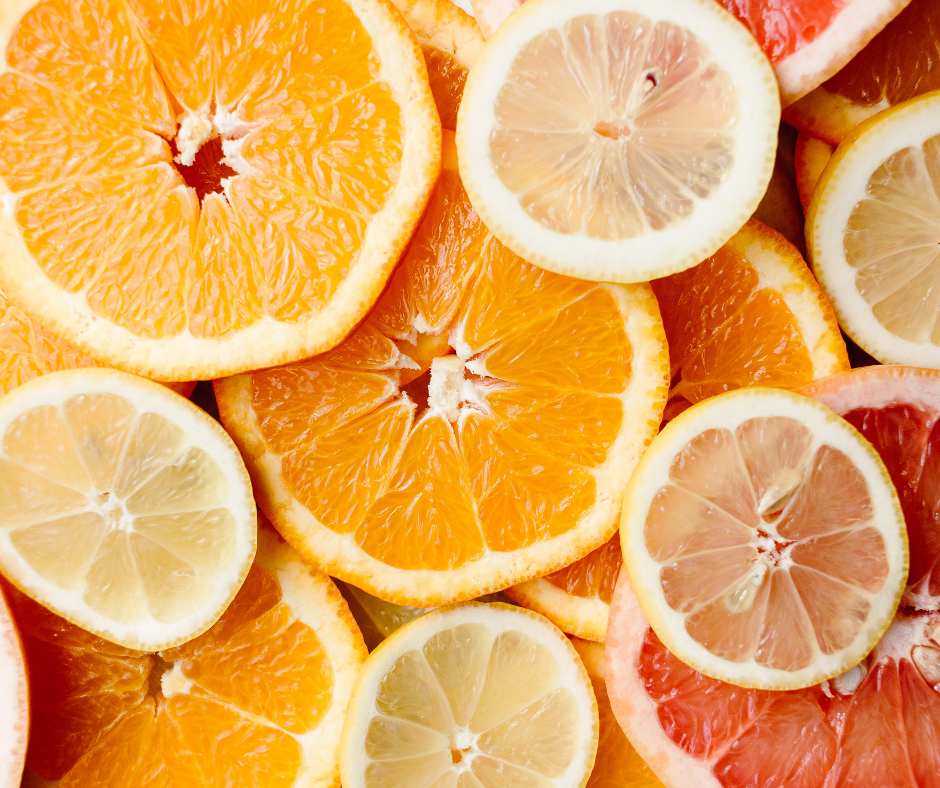
Certain fruits: Avocados, bananas, strawberries, citrus fruits, dried fruits.
Vegetables: Eggplant, spinach, tomatoes.
Chocolate.
Foods That Trigger Histamine Release
These foods don't necessarily contain histamine themselves, but they can cause mast cells to release histamine in your body.
Citrus fruits.
Pineapple.
Papaya.
Legumes: Beans, lentils, peanuts.
Shellfish.
Food additives: Artificial colors, flavors, and preservatives.
Important Note: It's crucial to remember that everyone is different. Not everyone with eczema is sensitive to these foods, and the level of sensitivity can vary. An elimination diet, guided by a healthcare professional, can help identify trigger foods.
What About Antihistamines?
You might be thinking, "If histamine is so problematic, why aren't antihistamines more effective for eczema?" That's a great question! The truth is, traditional antihistamines, like those you take for allergies, primarily target the H1 receptor. While they can help with itching in some cases, they don't address the other ways histamine is impacting the skin.
Scientists now believe that other histamine receptors, particularly the H4 receptor, may be just as important, or even more so, in eczema. This explains why targeting only H1 may not be enough to provide significant relief for many people.
New Directions in Eczema Treatment
The growing understanding of histamine's role in eczema is opening up new avenues for treatment. Researchers are developing medications that target not only the H1 receptor but also the H4 receptor, potentially offering a more comprehensive approach to managing the condition.
But even without waiting for new medications, there are things you can do as an esthetician to support your clients with eczema:
Focus on Barrier Repair: Prioritize products that help to restore and strengthen the skin barrier. Look for ingredients like fatty acids, hyaluronic acid, and fat-soluble Vitamin C
Gentle Cleansing: Advise clients to avoid harsh soaps and cleansers that can strip the skin of its natural oils. Opt for lipid-rich, low foaming formulations
Hydration is Key: Occlusion, ordinarily not suggested for healthy skin can mitigate the eczematic response which can be triggered by skin dryness and environmental assault. Polyelectrolytes can lend water trapping benefits
Avoid Irritants: Help clients identify and avoid potential triggers, such as fragrance, dyes, and certain fabrics.
Consider Anti-Inflammatory Ingredients: Ingredients like oatmeal, chamomile, and licorice root and polyelectrolytes can help to soothe inflammation and reduce itching.
Encourage Gut Health Support: Suggest exploring a gut-friendly diet, including probiotic-rich foods (if tolerated) and prebiotics to nourish beneficial gut bacteria.
The Takeaway
Eczema is a complex condition with a variety of contributing factors. Histamine, released by mast cells and influenced by the gut microbiome and diet, plays a significant role in the itch and in weakening the skin barrier. A holistic approach focusing on the skin barrier, reducing inflammation, and addressing potential dietary triggers, potentially with the use of future medications that address the H4 receptor, is the key to effectively managing eczema.
By staying informed about the latest research and incorporating barrier-supportive practices into your treatment protocols, you can empower your clients to achieve healthier, more comfortable skin and enhance their overall well-being. You can be a trusted advisor, guiding them towards products and practices that truly support their skin's natural defenses, helping them find relief and build confidence.