What is "Ozempic Face" and How to Combat It

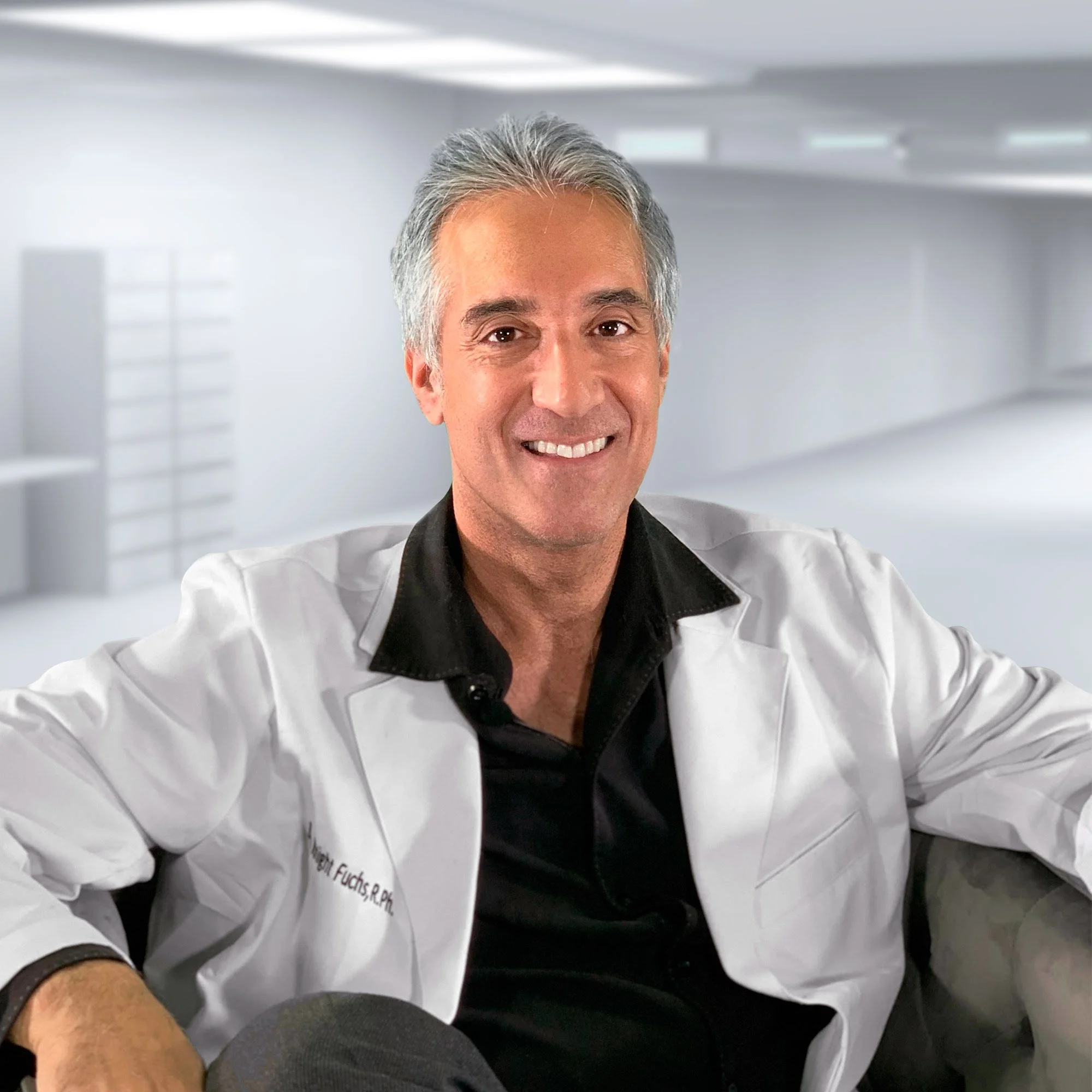
At Pomp, we believe that transformative skincare starts with education and science-backed solutions. That’s why we’re thrilled to share insights from Benjamin Knight Fuchs, R.Ph.—a registered pharmacist, nutritionist, and skincare formulator with over 35 years of experience developing high-performance products for estheticians, dermatologists, and discerning clients alike.
As the founder of Truth Treatment Systems™, Ben takes a uniquely biochemical approach to skin health, formulating topical treatments that support the skin at the cellular—not just surface—level. In this blog post, Ben breaks down the science behind “Ozempic Face” and “Ozempic Butt” — and shares the protocols, ingredients, and strategies estheticians can use to address them head-on.

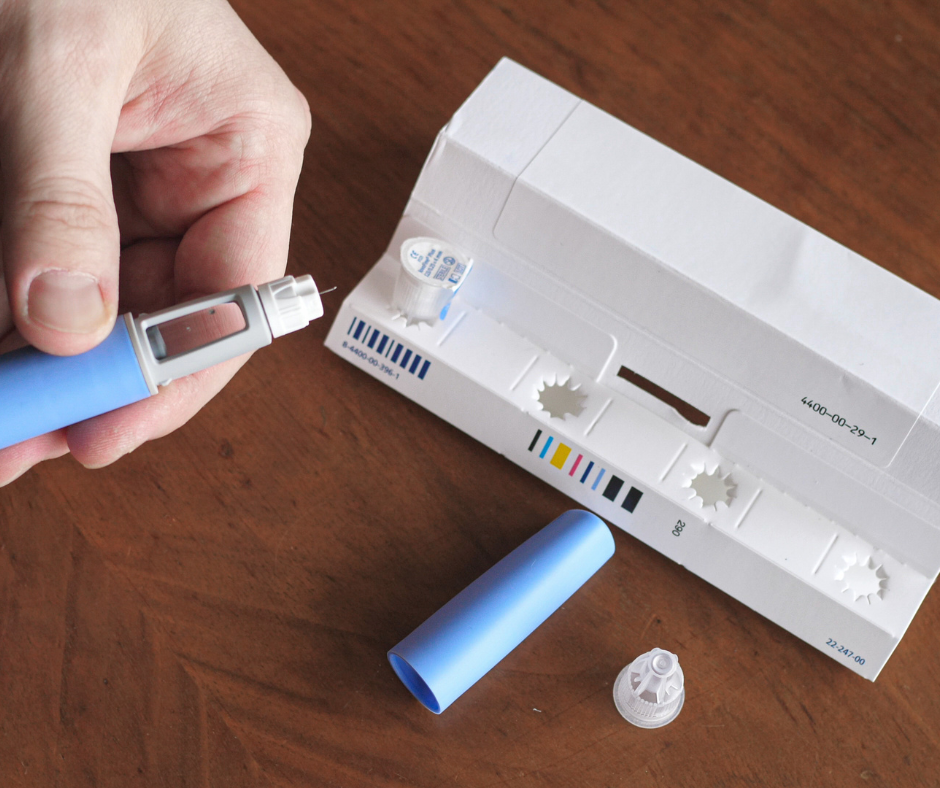
Over the last few years I’ve been approached weekly, sometimes daily by clients, as well as estheticians looking for solutions to the dermatological conditions associated with the use of latest fat-busting fad, the GLP-1 receptor agonists like semaglutide (Ozempic, Wegovy) and tirzepatide (Mounjaro, Zepbound), originally indicated for diabetes, and then co-opted by patients looking to drop pounds. While these medications are incredibly effective in achieving significant weight loss, they present not insignificant aesthetic challenges, and according to the FDA, dermatologic issues comprised over 6% of reported adverse effects among the over one million patients who have received prescriptions for these medications.
GLP-1 receptor agonists function by mimicking a natural hormone in the body, ultimately enhancing the blood sugar-controlling effects of insulin, slowing down digestion, and suppressing neurochemistry in the brain’s appetite control center. However, the presence of GLP-1 receptors isn't limited to the gut and brain; they're also found in skin cells and around hair follicles, where they play an important role in cell proliferation, differentiation, and barrier maintenance. Therefore, while GLP-1 receptor agonists can be beneficial for some skin conditions, the rapid weight loss they induce can lead to notable aesthetic problems.
Ozempic Face
One such concern is "Ozempic Face," characterized by a gaunt, aged appearance resulting from rapid facial fat loss. This presents in several ways: hollow cheeks and temples due to volume loss creating shadows and a sunken look, sunken eyes as the area around the eyes loses support, sagging jowls due to decreased fat in the mid-face causing skin drooping around the jawline, and increased wrinkles as less underlying fat makes wrinkles more prominent.
Ozempic Butt
Similar to the facial changes, rapid weight loss can also affect the buttocks, leading to what's sometimes referred to as "Ozempic Butt". This typically manifests as a loss of volume in the buttocks, resulting in a flattened or saggy appearance. The loss of subcutaneous fat in this area can accentuate skin laxity and cellulite, further contributing to aesthetic concerns.
The Broader Impact of Ozempic Face & Ozempic Butt
Beyond the specific concerns of facial and buttock changes, it's important to consider the broader impact of GLP-1 agonists and rapid weight loss on connective tissue throughout the body. Connective tissue, composed of collagen, elastin, and ground substance, provides structural support and elasticity to the skin and other tissues. While GLP-1 agonists themselves don't directly degrade connective tissue, the rapid weight loss they induce can outpace the body's ability to adapt, leading to a breakdown of this crucial support system. This can manifest as increased skin laxity, sagging, and the appearance of fine lines and wrinkles all over the body, not just the face. This is due to the depletion of subcutaneous fat, which normally provides support and volume, and the potential disruption of collagen and elastin synthesis during periods of rapid weight change.
Moreover, inadequate nutrition during rapid weight loss can further compromise connective tissue integrity, as collagen and elastin production require essential amino acids, vitamins, and minerals.
The Skincare Solutions for Weight Loss
The good news is that by using a multi-pronged approach, skin care professionals have more than a few tools in their tool belt that we can use to help our patients. As a compounding dermatology pharmacist here’s some of my favorites…
1. Topical Retinoids
Topical retinoids are the cornerstone of any anti-aging regimen and are especially crucial when clients are experiencing rapid weight loss. The goal here is to stimulate collagen synthesis, improve skin cell turnover, and protect against free radical damage.
Retinoids, a family of Vitamin A derivatives, work by binding to retinoid receptors in skin cells, influencing genetics, and leading to a wide spectrum of beneficial effects.. Retinyl Palmitate, the mildest retinoid, requires multiple conversions before becoming retinoic acid, making it less irritating but also less potent. It's suitable for very sensitive skin or for layering into a routine. Retinol, the classic choice, and the one, in my opinion, that delivers the best results, is a potent and effective retinoid that needs to be converted into retinoic acid by the skin. It's a good starting point for many clients, but it can be to stimulating , especially for those with sensitive skin. Begin with a low concentration (0.5 to 1%) and gradually increase to up to 5% as tolerated.
2. Topical Vitamin C
Vitamin C, the antioxidant powerhouse, protects the skin from free radical damage, brightens the complexion, and stimulates collagen production. The challenge is finding a stable and effective formulation.
L-Ascorbic Acid is the most well-researched form of Vitamin C, but it's notoriously unstable and can oxidize easily. What’s more, ascorbic acid, being water soluble isn’t going to penetrate through the stratum corneum very well, limiting its connective tissue building effectiveness. That’s why I formulate with Tetrahexyldecyl Ascorbate (THD Ascorbate) which is a fat-soluble form of Vitamin C that's more stable and less irritating than L-ascorbic acid and penetrates the skin more effectively. While most THDA products contain concentrations of 5%-10%, in pharmacy we say “the dose makes the medicine” and I suggest much higher concentrations, 25 to 75%. THDA is an excellent choice for clients needing rapid collagen building and those with sensitive skin because it can penetrate the skin barrier more efficiently than water-soluble versions.
Other Vitamin C derivatives, such as magnesium ascorbyl phosphate (MAP) and sodium ascorbyl phosphate (SAP), are milder but may be less effective.
3. Hydroxy Acids
Hydroxy Acids exfoliate the skin, remove dead skin cells, and stimulate collagen production, thereby improving skin texture and tone. Lactic Acid, a gentle AHA derived from milk, is hydrating and exfoliating, making it a good option for sensitive skin. Concentrations of 5%-10% are typically used.
Glycolic Acid is a potent AHA with small molecules that penetrate the skin to exfoliate and stimulate collagen production. Start with a 5% concentration for clients new to glycolic acid, then increase to 10%-20% as skin can tolerate.
Salicylic Acid, a BHA, is oil-soluble and can penetrate pores to dissolve oil and debris, making it great for acne-prone skin.
4. Support Connective Tissue with Nutrition
The skin's structure relies heavily on connective tissue, which is made up of collagen, elastin, and other components. As weight loss occurs, supporting this tissue is essential for maintaining skin elasticity and firmness. You can support connective tissue building through strategic use of nutrients.
Glucosamine
A precursor to glycosaminoglycans (GAGs), which are important components of cartilage and connective tissue. It may help to improve skin hydration and elasticity. Dosage: 500-1500 mg per day.
Vitamin C
Essential for collagen synthesis and a powerful antioxidant. Dosage: 500-1000 mg per day.
Copper
A trace mineral needed for collagen and elastin cross-linking. Deficiency can lead to impaired wound healing and skin problems. Dosage: 2-3 mg per day.
Zinc
An essential mineral for wound healing, immune function, and collagen production. Dosage: 50mg per day.
Essential Fatty Acids (EFAs)
Omega-3 and omega-6 fatty acids are crucial for skin health, reducing inflammation, and maintaining the skin barrier. Look for a high-quality fish oil or flaxseed oil supplement. Dosage: 1-3 grams of combined EPA and DHA per day.
Bone Broth
A rich source of collagen, amino acids, and minerals. It can help to support skin health and reduce inflammation. Dosage: One cup per day.
Hyaluronic Acid
A naturally occurring substance in the skin that attracts and retains moisture. Supplementing with hyaluronic acid can improve skin hydration and elasticity. Dosage: 100-500 mg per day.
B Vitamins
Important for cell function and energy production. Deficiencies can lead to skin problems. A B-complex supplement can ensure adequate intake.
5. Other Treatment Options
Microneedling
Microneedling involves using a device equipped with tiny needles to create controlled micro-injuries in the skin. This process triggers the skin's natural healing response, leading to increased collagen and elastin production.
Clients can expect improved skin texture, a reduction in the appearance of scars, and enhanced absorption of topical skincare products. Downtime is typically minimal, involving mild redness and swelling for just one to three days, and optimal results usually require multiple treatment sessions.
Fractional Lasers
These lasers are another powerful option. These lasers deliver energy to the skin in a fractional pattern, also creating micro-injuries that stimulate collagen production.
There are two main types of fractional lasers: ablative and non-ablative. Ablative fractional lasers, such as CO2 and Erbium lasers, remove the top layer of skin, yielding more dramatic results but requiring a longer recovery period. Clients can anticipate significant improvements in skin texture, wrinkle reduction, scar minimization, and overall skin tightening. However, downtime includes redness, swelling, and crusting for five to seven days.
Non-ablative fractional lasers, like Fraxel, heat the skin without removing the top layer, resulting in less downtime. Clients can expect improvements in skin texture, reduction in fine lines, and mild skin tightening with minimal redness and swelling lasting one to three days. Fractional lasers can also help improve skin texture and stimulate collagen production, contributing to a tightening effect.
Radiofrequency (RF) and High-Intensity Focused Ultrasound (HIFU)
These technologies can be used to counteract the skin laxity and loose, sagging skin that doesn't bounce back quickly enough, especially on the face, neck, arms, thighs, and abdomen. Both deliver energy to the deeper layers of the skin, stimulating collagen remodeling and contraction.
As it turns out the effects of these high tech biochemical mimics aren’t all bad and GLP-1 receptor agonists can be beneficial for certain skin conditions. Studies have shown that these medications can improve wound healing, particularly in diabetic patients, by enhancing antibacterial properties, increasing angiogenesis, promoting re-epithelialization, and stimulating epidermal stem cell proliferation. There are also some studies that suggest GLP-1 receptor agonists can reduce the severity of psoriasis.
As estheticians and skin care professionals we play a crucial role in helping our clients navigate the aesthetic effects of GLP-1RAs. By understanding the mechanisms of these medications, recognizing common side effects, and offering personalized treatment plans, we can help our clients achieve their health and aesthetic goals, making them happy and improving their quality of life.