Why Root Causes Matter: A Systems Approach to Skin and Whole-Body Healing

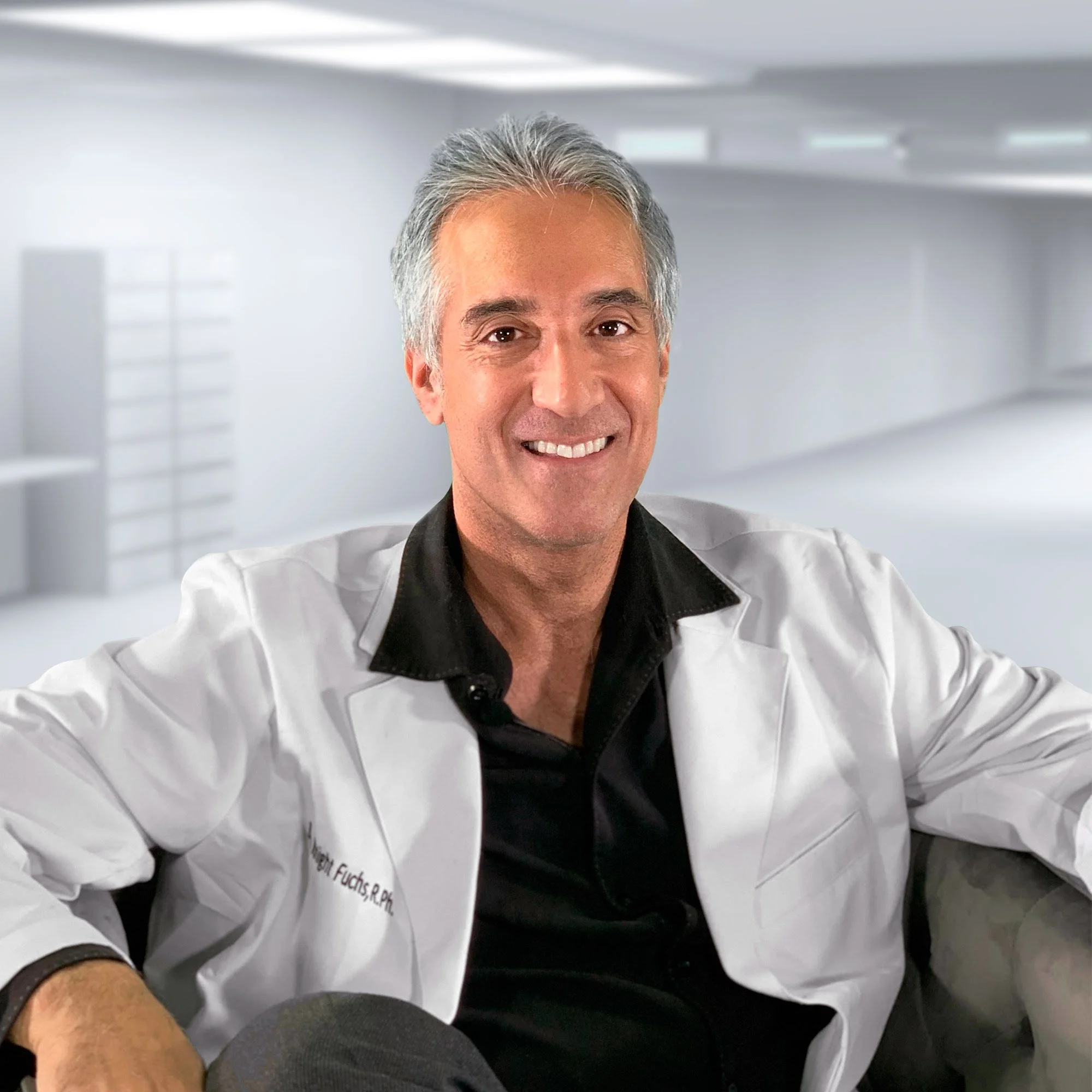
At Pomp, we believe that transformative skincare starts with education and science-backed solutions. That’s why we’re thrilled to share insights from Benjamin Knight Fuchs, R.Ph.—a registered pharmacist, nutritionist, and skincare formulator with over 35 years of experience developing high-performance products for estheticians, dermatologists, and discerning clients alike.
As the founder of Truth Treatment Systems™, Ben takes a uniquely biochemical approach to skin health, formulating topical treatments that support the skin at the cellular—not just surface—level. In this blog post, Ben talks about a systems approach to skin and healing.

When most people think of the body, they imagine organs—heart, skin, brain, liver—like separate players on a team. If one goes down, you “treat” that one player and move on. But that’s not how the human body actually works. It’s not a collection of isolated parts—it’s a living, dynamic system, more like a symphony than a machine.
This is where systems theory comes in. Systems theory is the study of how parts interact to create wholes. It’s about relationships, not just individual components. For health and healing, that shift in perspective is revolutionary.
Instead of asking: “What’s wrong with the skin?”
We ask: “Why is the skin showing this pattern, and what’s happening in the larger system?”
That one question changes everything—especially in esthetics, where what we see on the surface almost always reflects deeper imbalances.
Think of the body like an ecosystem. In nature, if one species disappears, the whole web feels the ripple—plants, animals, soil, water, everything shifts. The human body is no different.
The gut microbiome shapes immune responses that show up in acne, rosacea, or eczema.
The nervous system responds to stress by tightening blood vessels and increasing inflammation, which changes how the skin heals.
The endocrine system (hormones) alters oil production, hydration, and pigmentation.
No single organ “owns” these processes—they’re all talking to each other, constantly. Systems theory teaches us that the state of health emerges from how these interactions flow together, like a river system shaping a landscape.
The body is full of feedback loops—automatic self-corrections designed to keep us in balance (homeostasis). Blood sugar goes up, insulin brings it down. Temperature drops, we shiver. The skin barrier gets disrupted, lipids and natural moisturizing factors step in to restore balance.
But what happens if the loop breaks or gets overwhelmed? Chronic dysfunction.
Too much sugar + insulin resistance = persistent inflammation → premature aging, glycation, poor wound healing.
Too much stress + weak repair = collagen breakdown → wrinkles, fragile skin.
Poor gut health + leaky barrier = immune reactivity → acne, rosacea, eczema flares.
When we manage only the symptom (like redness or oiliness), we leave the broken loop untouched. But if we restore balance at the root cause, the system often resets itself—and the skin heals naturally.
In modern medicine and even in skincare, symptoms are often treated as the problem. Dryness? Apply moisturizer. Redness? Apply steroid cream. Pimples? Apply benzoyl peroxide.
But symptoms are not the enemy—they’re signals. They’re the body’s language.
A pimple is the skin saying: “Oil + inflammation + bacteria are out of balance.”
Dryness is the barrier saying: “I’m missing natural moisturizing factors, lipids, or water structure.”
Wrinkles are the dermis saying: “Collagen production is down, repair signals are weak.”
If we silence the message without listening to it, we rob the body of its opportunity to heal. Worse, we may push the imbalance deeper, forcing the body to “speak louder” later with more severe issue
Let’s bring this directly into esthetics:
Dry Skin
Symptom approach: Apply heavy occlusive moisturizers that trap water on the surface. Feels better for a few hours, but over time the skin gets “lazy,” reducing its own natural moisturizing factor (NMF) production. The dryness cycle worsens.
Root cause approach: Use exfoliation (AHAs) to stimulate NMF production, support lipids with topical retinol and niacin, reinforce barrier with cholesterol and ceramides, and enhance hydration with ionic mineral polyelectrolytes that structure water in the skin. Now the skin learns to hydrate itself again.
Acne
Symptom approach: Kill bacteria with harsh topicals, strip oil with detergents, suppress inflammation with drugs. Temporary relief, but the skin often rebounds with more oiliness and sensitivity.
Root cause approach: Reduce systemic inflammation (gut health, blood sugar control), normalize keratinization with vitamin A, restore barrier with vitamin C and minerals, and rebalance the microbiome both internally and topically. The acne clears because the underlying system has changed.
Aging
Symptom approach: Fill wrinkles with hyaluronic acid injections, paralyze muscles with Botox, peel away layers aggressively. Cosmetic effect, but doesn’t create lasting health.
Root cause approach: Support fibroblasts with retinol, feed collagen with fat-soluble vitamin C, energize cells with structured water and minerals, reduce glycation with diet, and calm inflammation with antioxidants. The skin actually rejuvenates from the inside out.
One of the most overlooked aspects of systems health is bioelectricity—the fact that every cell communicates through electrical currents. For these currents to flow, the body needs minerals.
Ionic minerals are the “electrolytes” that carry charge.
Polyelectrolytes (long chains of charged particles) act like scaffolding for structured water, forming electrical circuits in tissues.
In skin, these networks enhance hydration, cell signaling, and repair.
When applied topically, ionic mineral polyelectrolytes can:
Structure interfacial water, helping the skin trap and hold hydration.
Improve electron flow across cells, enhancing energy and repair.
Support collagen synthesis and barrier function by restoring the skin’s natural bioelectric environment.
From a systems view, this isn’t just “moisturizer.” It’s giving the skin the raw electrical building blocks it needs to heal itself—root cause medicine at the cellular level.
Addressing symptoms often requires constant management: reapplying moisturizers, taking drugs, repeating procedures. The problem never truly resolves—it just quiets for a while.
But addressing root causes restores the body’s self-healing intelligence. Once balance is re-established, the body can maintain wellness with less outside input.
A client who heals their gut won’t keep battling rosacea flares.
A client who supports fibroblast activity will keep producing collagen long after they’ve stopped procedures.
A client who uses ionic mineral polyelectrolytes will build stronger hydration pathways that persist beyond product application.
This is why root cause systems thinking doesn’t just improve outcomes—it transforms them.
As an esthetician, you’re not just working on skin—you’re working on a whole system that speaks through skin. Here’s how to apply this thinking in your treatments and consultations:
Listen to symptoms as messages. Instead of rushing to cover redness, ask: what’s driving this inflammation?
Think upstream. Acne isn’t just oil—it’s diet, hormones, microbiome, barrier health.
Use skin as a window. Pigmentation, dryness, premature aging often point to systemic imbalances you can help guide clients to address.
Empower with root nutrients. Use actives that the skin can actually metabolize—vitamin A, fat-soluble C, niacin, cholesterol, ionic minerals—rather than synthetic chemicals that just sit on top.
Educate clients. Teach them that skin health is body health. A serum is powerful, but so is sleep, hydration, and blood sugar balance.
Systems theory teaches us one profound truth: the whole is greater than the sum of its parts.
Health is not about managing isolated symptoms—it’s about restoring balance to the entire system. The skin doesn’t just want to look better, it wants to be better. And when we support root causes—nutrients, minerals, structured water, feedback loops—the results are more natural, more lasting, and more empowering for the client.
As estheticians and skin health professionals, embracing this systems view is how we move from being technicians to being true healers.